
Table of Contents
My Wake-Up Call About Makeup Brushes
I still remember the day I realized my makeup wasn’t the problem—my brush was.
I’d invested in high-end foundation and watched endless tutorials, yet my base always looked streaky and uneven. Then a makeup artist friend casually said, “Try switching your brush.”
That single sentence changed everything.
Using the right makeup-brush feels like upgrading from finger-painting to using professional tools. Suddenly, foundation melts into skin, blush looks naturally flushed, and eyeshadow blends effortlessly.
Brushes don’t just apply makeup—they control it. They determine how much product touches your skin, where it sits, and how long it lasts.
If you’ve ever felt frustrated with your makeup results, you’re not alone. Most people overlook brushes, yet they’re the backbone of every flawless look.
This guide is built from real experience, practical techniques, and years of trial and error—so you can finally understand makeup- brush types and use them correctly, without the confusion or wasted money.
Compare your Brush
| Product Name | Best For (Skin Type / Use) | Price Range | Buy Link |
|---|---|---|---|
| Real Techniques Everyday Essentials Brush Set | Normal to oily skin, beginners, everyday makeup | Rs 999 -1500 | Check Price |
| Sigma Beauty Essential Brush Kit | All skin types, professional-level blending | Rs 4000-5000 | Buy on Amazon |
| Morphe Eye & Face Brush Collection | Full-glam makeup, pigmented products | Rs 5000-6000 | View Deals |
| EcoTools Makeup Brush Set | Sensitive skin, eco-conscious users | Rs 1500-2000 | Check Availability |
| MAC Cosmetics Professional Brush Set | Dry to normal skin, flawless finish | Rs 1000-1500 | Shop Now |
| BH Cosmetics Vegan Brush Set | Cream & powder products, beginners | Rs 1000-1500 | Buy Now |
What Is a Makeup Brush and Why It Matters
A makeup-brush is more than a beauty accessory—it’s a precision tool. Each one is designed with a specific shape, density, and bristle type to perform a particular task. When you match the brush to the product, makeup becomes easier, faster, and more forgiving.
The Real Role of a Makeup Brush
Makeup-brushes give you:
- Even distribution of product
- Better blending with less effort
- Controlled coverage, from sheer to full
When I switched to proper brushes, I noticed I used less product but got better results. That’s because brushes help layer makeup gradually instead of dumping it all at once.
Fingers vs Sponges vs Brushes
Fingers add warmth, sponges give bounce, but brushes offer precision and consistency. For detailed work like contouring, blending eyeshadow, or applying powder, brushes simply perform better. Think of them as the steering wheel—you stay in control the whole time.
Makeup-Brush Basics You Must Understand
Before buying every brush you see online, understanding the basics will save you time and money.
Natural vs Synthetic Makeup-Brushes
Natural brushes are best for powder products—their textured bristles grip pigment well. Synthetic brushes, which I personally prefer, work beautifully with liquids and creams. They’re easier to clean, more hygienic, and cruelty-free.
If you want an all-in-one solution, high-quality synthetic makeup brushes are your safest bet.
Makeup-Brush Shapes and Density
- Dense brushes = more coverage
- Fluffy brushes = softer finish
- Tapered brushes = precision
Once you understand this, choosing the right makeup brush becomes almost instinctive.
Face Makeup Brush Types & How to Use Them Correctly
Foundation Makeup Brush
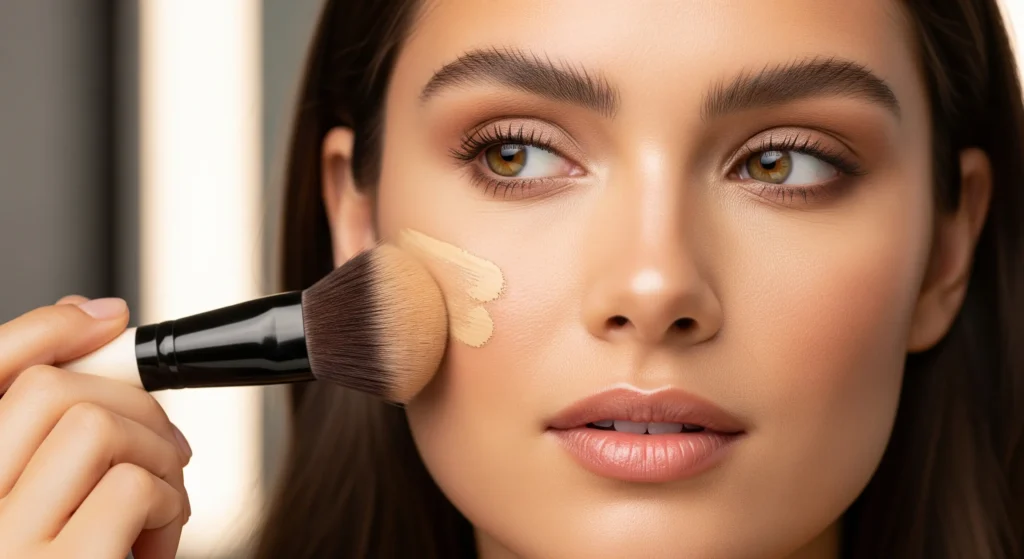
A foundation makeup-brush determines how your base looks. Flat brushes apply product quickly but need blending. Buffing brushes are my go-to—they blend foundation into the skin using circular motions, creating an airbrushed finish.
How to use it correctly:
- Start with a small amount of foundation
- Dot it across the face
- Blend outward using gentle circular motions
This technique prevents streaks and keeps the skin looking natural.
Concealer Makeup Brush
A concealer makeup-brush allows precise application where fingers can’t. For under-eyes, use a soft flat brush and gently pat. For blemishes, use a small dense brush and tap only the edges.
This method keeps coverage intact without disturbing foundation.
Powder Makeup Brush
A powder makeup-brush sets makeup without making it heavy. Lightly dip, tap off excess, and sweep across the face. For oily areas, press the powder instead of dragging it.
Blush Makeup Brush
A blush makeup-brush should be fluffy and slightly angled. Smile softly, apply blush to the apples of your cheeks, and blend upward. This creates a lifted, youthful look.
Contour & Bronzer Makeup Brush
Contour brushes are angled and firm, perfect for defining cheekbones. Bronzer brushes are fluffier and help add warmth without harsh lines. The trick is blending—always blend more than you think you need.
Highlighter Makeup-Brush
A tapered or fan makeup brush gives a soft glow. Light pressure is key. Highlight should whisper, not shout.
Eye Makeup-Brush Types & How to Use Them
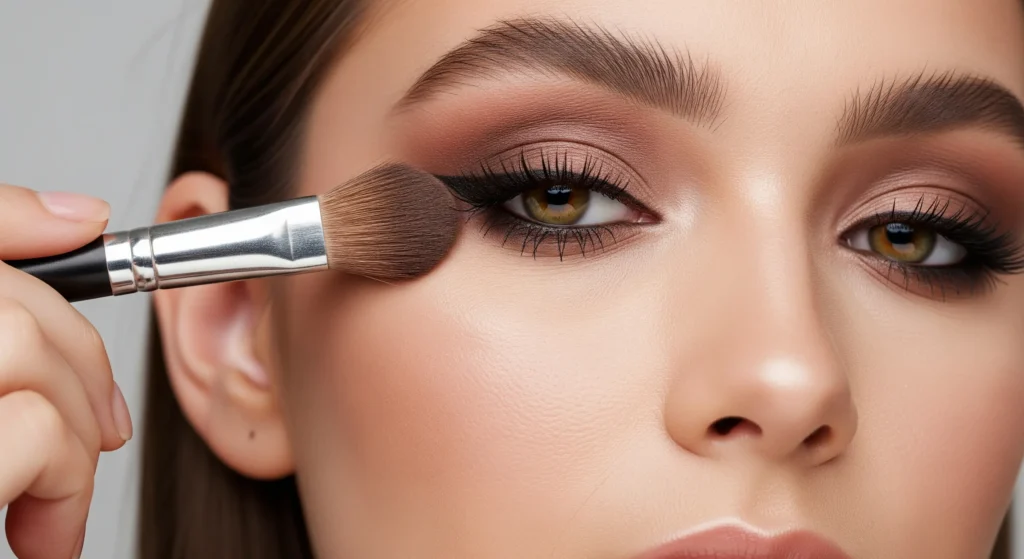
Eye makeup is where brushes truly shine.
- Flat shader brush: Packs eyeshadow onto the lid
- Blending brush: Softens harsh lines
- Crease brush: Adds depth
- Pencil & smudge brush: Detail and smoky looks
- Angled makeup brush: Brows and eyeliner
Using the correct eye makeup brush makes even basic eyeshadow look professional.
Lip Makeup-Brush: Small Tool, Big Difference
A lip makeup-brush gives clean edges and even color payoff. It also helps lipstick last longer because the product is pressed into the lips rather than swiped on.
How to use Makeup Brushes
Dirty makeup-brushes ruin makeup and skin. I learned this after battling unexpected breakouts. Clean face brushes once a week and eye brushes every 3–4 days.
Simple cleaning steps:
- Rinse with lukewarm water
- Use gentle soap or brush cleanser
- Massage bristles gently
- Rinse and reshape
- Air dry flat
Clean brushes perform better and last longer—simple as that.
Common Makeup Brush Mistakes I Learned the Hard Way
- Using one brush for everything
- Overloading product
- Never cleaning brushes
Fixing these mistakes instantly improves makeup quality.
How to Build a Simple Makeup-Brush Kit
You don’t need 50 brushes. Start with:
- Foundation makeup-brush
- Concealer brush
- Powder brush
- Blush brush
- Blending eye brush
- Angled makeup-brush
This minimal kit covers almost every look.
Why the Right Makeup-Brush Changes Everything
Once you understand makeup brush types and how to use them correctly, makeup stops feeling frustrating and starts feeling creative. Brushes are not extras—they’re essentials. Investing time in learning them pays off every single day you do your makeup.
FAQs
1. How many makeup-brushes do beginners need?
About 6–8 essential makeup-brushes are enough to start.
2. Are expensive makeup-brushes worth it?
Not always—quality matters more than price.
3. Can I use one makeup-brush for multiple products?
Yes, if cleaned properly between uses.
4. How long do makeup-brushes last?
With proper care, 3–5 years or more.
5. Should I use different-brushes for cream and powder?
Yes, it prevents texture issues and buildup.
Thank for your visit to thebeautybinge.com
Plix Glow Skin Review : Does It Really Clear Acne & Dark Spots?
Introduction: Why Plix Glow Skin Is TrendingQuick View Chart: Plix Glow Skin Overview (Affiliate-Ready Section)What…

10 Gorgeous Hair Colors for Women That Make You Look Younger Instantly
Why the Right Hair Color for Women Can Instantly Make You Look YoungerQuick View Chart:…
10 Best Hair Growth Oils That Actually Work (Backed by Real Results)
Why Hair Growth Oil Is the Secret to Thicker, Longer HairQuick Comparison Chart: Best Hair…
10 Bridal Makeup Looks That Are Trending Like Crazy This Wedding Season
Let’s Talk Bridal Glow (The Kind Everyone Remembers)Quick Comparison Chart: Bridal Makeup Must-Have ProductsSoft Glam…
17 Makeup Brush Types You Must Know to Avoid Makeup Mistakes
My Wake-Up Call About Makeup BrushesWhat Is a Makeup Brush and Why It MattersThe Real…
Stop Wasting Money: These Are the Best Concealers Worth Buying This Year
My Honest Wake-Up Call With ConcealersComparative Chart: Best Concealers at a GlanceWhat Makes the Best…