
Table of Contents
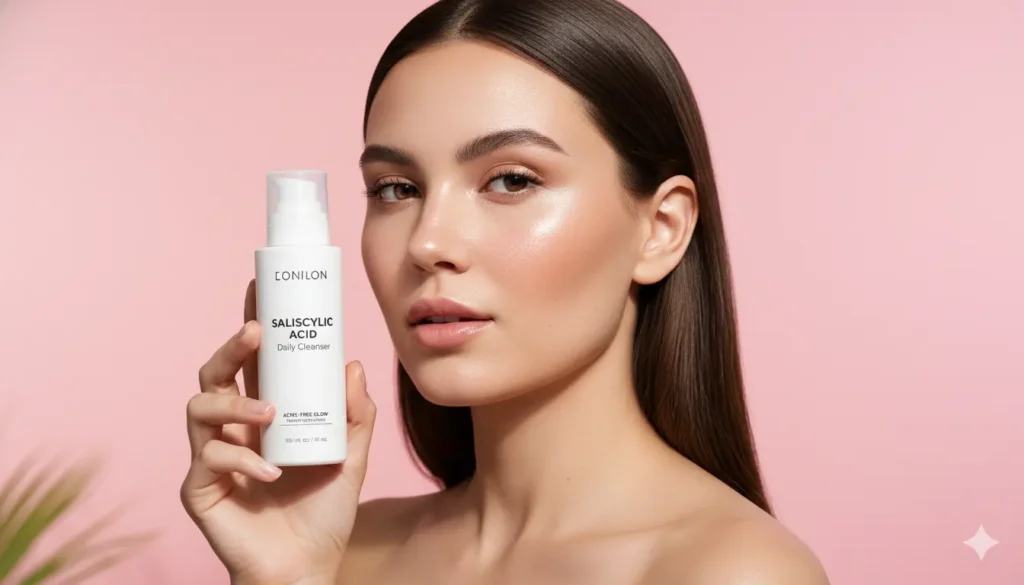
Acne can feel like a never-ending battle. One day your skin looks calm, and the next day a new breakout appears right before an important meeting or event. If you’ve ever tried dozens of cleansers and still struggled with oily skin, clogged pores, or stubborn pimples, the missing piece of your skincare routine might be the right active ingredient. That’s where a salicylic acid face wash comes in.
Dermatologists around the world consistently recommend salicylic acid face wash as one of the most effective first steps in an acne-fighting skincare routine. Unlike regular cleansers that only remove dirt from the surface, salicylic acid penetrates deeper into the pores where acne actually forms. It helps dissolve excess oil, exfoliate dead skin cells, and reduce the chances of future breakouts.
The beauty industry in 2026 has evolved rapidly, and modern formulations are much more advanced than older acne cleansers. Today’s salicylic acid face wash products combine powerful acne treatment with soothing ingredients like niacinamide, ceramides, and botanical extracts, making them effective while still being gentle on the skin.
If you’re trying to find the best cleanser for acne-prone skin, understanding how salicylic acid works and which products deliver the best results can completely transform your skincare routine.
Quick Comparison: Best Salicylic Acid Face Wash
| Product | Best For | Key Ingredients | Skin Type | Price Range | Buy Link |
|---|---|---|---|---|---|
| CeraVe Acne Control Cleanser | Dermatologist favorite | 2% Salicylic Acid, Niacinamide, Ceramides | Oily / Acne-Prone | Rs 500-1500 | Check Latest Offer Now |
| La Roche-Posay Effaclar Medicated Gel Cleanser | Stubborn acne | 2% Salicylic Acid, LHA | Oily Skin | Rs 1500-3000 | Check Latest Offer Now |
| Neutrogena Oil-Free Acne Wash | Budget option | Salicylic Acid, Aloe | Combination | Rs 500-1000 | Check Latest Offer Now |
| Paula’s Choice CLEAR Pore Cleanser | Gentle exfoliation | Salicylic Acid, Panthenol | Sensitive Acne Skin | Rs 2000-4000 | Check Latest Offer Now |
| The Inkey List Salicylic Acid Cleanser | Beginner friendly | Salicylic Acid, Zinc | Oily / Combo | Rs 2000-3000 | Check Latest Offer Now |
Understanding Acne and Why the Right Cleanser Matters
Acne is one of the most common skin conditions globally. According to dermatology research, around 85% of people between the ages of 12 and 24 experience acne, but many adults struggle with it as well. Despite its prevalence, treating acne effectively requires more than simply washing your face twice a day.
Your skin constantly produces oil, sheds dead skin cells, and encounters environmental pollutants. Throughout the day, sweat, bacteria, makeup, and dirt accumulate on your skin. When these substances mix with natural oils and become trapped inside pores, they form the foundation for acne.
This is why cleansing is such an important step in any skincare routine. However, not all cleansers are designed to treat acne. Many regular face washes focus on removing surface debris without addressing the deeper causes of breakouts.
A salicylic acid face wash goes a step further. Instead of just cleaning the outer layer of your skin, it penetrates into the pores to dissolve the oil and debris that lead to clogged follicles. This deeper action helps treat existing pimples and prevents new ones from forming.
Another reason the right cleanser matters is maintaining your skin barrier. Harsh soaps can strip away protective oils and leave the skin dry and irritated. Ironically, when the skin becomes too dry, it often produces more oil to compensate, which can make acne worse.
Modern salicylic acid face wash formulas balance oil control with hydration. By clearing pores without damaging the skin barrier, they help create the ideal environment for healthier skin.
Think of your cleanser as the foundation of your skincare routine. If the foundation is weak, everything built on top of it—serums, moisturizers, treatments—becomes less effective.
What Causes Acne in the First Place?
Acne doesn’t appear randomly. It develops through a complex interaction of biological processes occurring beneath the surface of your skin. Understanding these processes can make it easier to choose the right skincare products and treatments.
The main cause of acne is excess sebum production. Sebaceous glands located in your skin produce sebum, an oily substance that protects and moisturizes the skin. However, hormonal changes—especially during puberty, stress, or menstruation—can cause these glands to produce too much oil.
When excess oil combines with dead skin cells, it creates a thick mixture that clogs pores. Once a pore becomes blocked, bacteria known as Cutibacterium acnes can multiply rapidly inside it. Your immune system reacts by triggering inflammation, which results in red, swollen pimples.
Several other factors can also contribute to acne:
- Hormonal fluctuations
- High-glycemic diets
- Stress
- Heavy cosmetic products
- Environmental pollution
Genetics also play a significant role. If your parents struggled with acne, your skin may naturally produce more oil or shed skin cells more rapidly.
This is where a salicylic acid face wash becomes extremely valuable. Because salicylic acid is oil-soluble, it can penetrate through sebum and reach deep into clogged pores. Once inside, it breaks down the buildup of oil and dead skin cells that lead to breakouts.
Instead of only cleaning the surface, salicylic acid works directly at the source of acne formation.
Why Regular Face Wash Isn’t Always Enough for Acne
Many people assume that washing their face more often will solve acne problems. Unfortunately, acne isn’t caused by dirt alone, so frequent washing with a basic cleanser rarely provides long-term results.
Regular cleansers usually contain surfactants that remove surface oil and debris. While this helps maintain basic hygiene, it doesn’t address the deeper issues responsible for acne, such as clogged pores and inflammation.
Another issue with standard cleansers is over-drying. Some soaps strip the skin of its natural oils, leaving it tight and irritated. When the skin becomes overly dry, it sometimes responds by producing even more oil. This phenomenon, known as the oil rebound effect, can actually increase breakouts.
A salicylic acid face wash works differently because it contains an active ingredient specifically designed to treat acne. Salicylic acid penetrates the pore lining and gently exfoliates dead skin cells that accumulate inside.
Over time, consistent use can help:
- Reduce clogged pores
- Minimize blackheads
- Control excess oil
- Improve overall skin clarity
Many modern cleansers also include hydrating ingredients to prevent irritation. This makes them suitable for daily use without damaging the skin barrier.
For people with persistent breakouts, switching to a salicylic acid face wash can often be the first step toward clearer skin.
What Is Salicylic Acid?
Salicylic acid is a powerful skincare ingredient belonging to the beta hydroxy acid (BHA) family. Unlike other exfoliating acids that only work on the skin’s surface, salicylic acid can penetrate deep into pores because it is oil-soluble.
Historically, salicylic acid was derived from willow bark, and it has been used in medicine and skincare for more than a century. Today, it is widely included in acne treatments because of its ability to exfoliate skin, dissolve excess oil, and reduce inflammation.
When used in a salicylic acid face wash, the ingredient works during the cleansing process to break down debris trapped inside pores. This helps prevent the formation of blackheads, whiteheads, and inflamed pimples.
Dermatologists typically recommend concentrations between 0.5% and 2% salicylic acid in over-the-counter cleansers. These levels are effective for treating mild to moderate acne while remaining gentle enough for daily use.
Another reason salicylic acid is so popular is its versatility. It works well for people with:
- Oily skin
- Combination skin
- Acne-prone skin
- Blackhead-prone skin
Because it addresses multiple causes of acne at once—oil buildup, clogged pores, and inflammation—it remains one of the most trusted ingredients in skincare.
The Science Behind Salicylic Acid (BHA)
Salicylic acid functions as a keratolytic agent, meaning it helps break down the bonds between dead skin cells. This allows old skin cells to shed more easily, preventing them from accumulating inside pores.
Unlike physical exfoliants that scrub the skin’s surface, salicylic acid works chemically by dissolving the glue-like substances that hold skin cells together. This results in smoother skin and fewer clogged pores.
Research published in dermatology journals has shown that 2% salicylic acid treatments can significantly reduce acne lesions within several weeks of consistent use.
The oil-soluble nature of salicylic acid gives it a unique advantage. Because it dissolves in oil rather than water, it can travel through the oily environment of a clogged pore and clean it from the inside.
This makes a salicylic acid face wash particularly effective for people who struggle with oily skin or blackheads.
How Salicylic Acid Works on Acne-Prone Skin
A salicylic acid face wash works through several mechanisms simultaneously. First, it exfoliates dead skin cells from the surface and inside pores. This prevents buildup that could otherwise trap oil and bacteria.
Second, salicylic acid helps regulate oil levels. While it doesn’t stop oil production entirely, it reduces the amount of oil that accumulates inside pores.
Third, salicylic acid has mild anti-inflammatory properties, which can help calm redness and swelling associated with acne.
Over time, these combined effects lead to clearer pores, fewer breakouts, and smoother skin texture.
Key Benefits of Salicylic Acid Face Wash
Using a salicylic acid face wash regularly can deliver several noticeable improvements to your skin. Many dermatologists recommend incorporating it into your daily routine because it treats acne while helping maintain overall skin health.
One of the most obvious benefits is pore cleansing. Salicylic acid penetrates the pores and removes the mixture of oil, dirt, and dead skin cells responsible for blackheads and whiteheads. By clearing these blockages, it reduces the likelihood of new breakouts forming.
Another advantage is oil control. People with acne-prone skin often struggle with excess sebum production. Salicylic acid helps dissolve excess oil before it has a chance to clog pores.
Consistent use can also improve skin texture. By gently exfoliating dead skin cells, salicylic acid reveals fresher, smoother skin underneath.
Additional benefits include:
- Reduced inflammation
- Fewer blackheads and whiteheads
- Brighter skin tone
- Improved effectiveness of other skincare products
For many people, a salicylic acid face wash becomes the cornerstone of their acne treatment routine.
Potential Side Effects of Salicylic Acid Face Wash
Although a salicylic acid face wash is generally safe for most skin types, some people may experience mild side effects when first introducing it into their routine.
The most common reactions include:
- Dryness
- Mild peeling
- Slight redness
- Temporary irritation
These effects are usually temporary and often occur because the skin is adjusting to exfoliation.
People with extremely sensitive or very dry skin should start slowly by using a salicylic acid cleanser every other day instead of daily.
Applying a non-comedogenic moisturizer after cleansing can help prevent dryness and maintain the skin barrier.
How to Use Salicylic Acid Face Wash Properly
Using a salicylic acid face wash correctly can significantly improve results while minimizing irritation.
Step-by-Step Routine
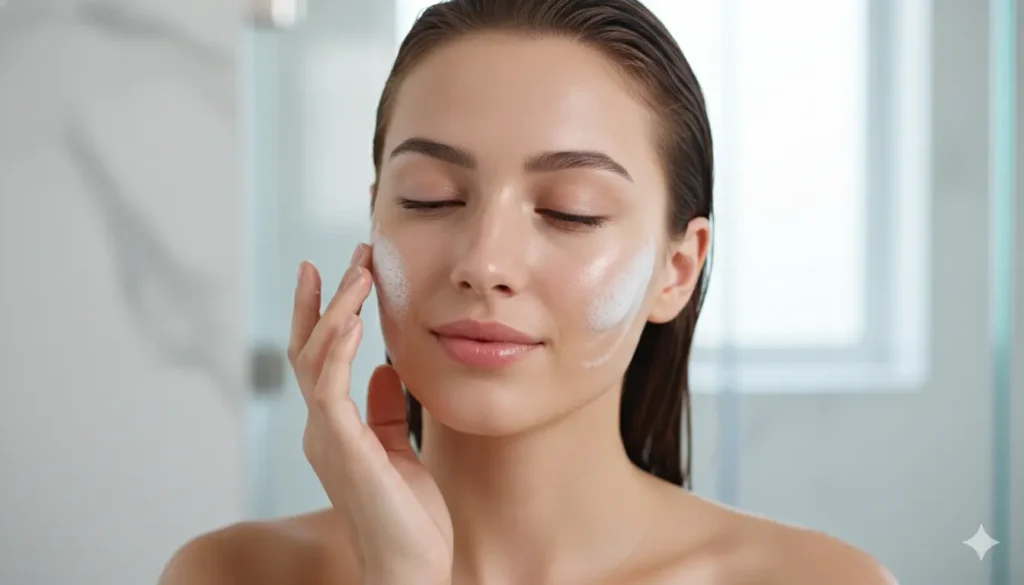
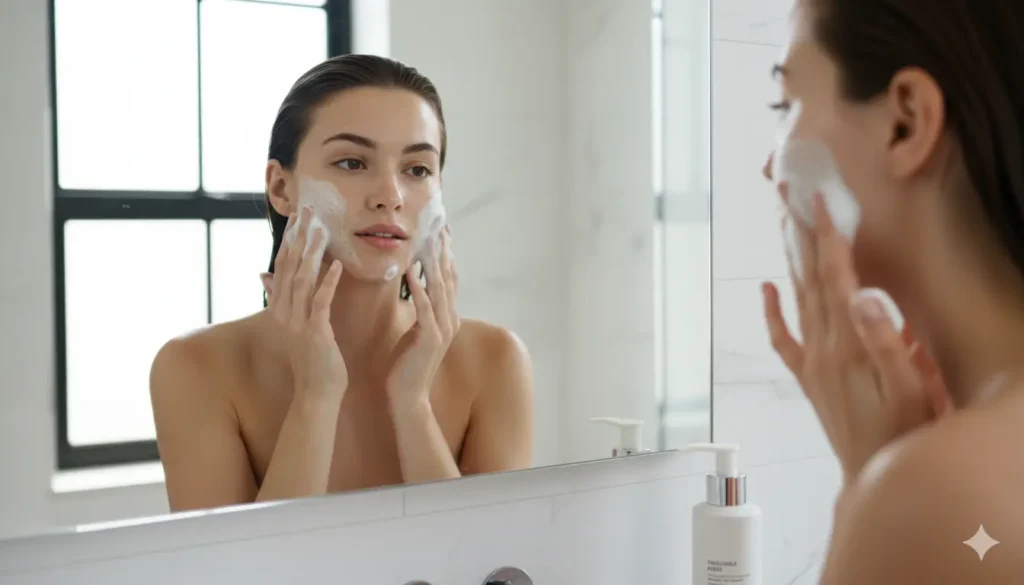
- Wet your face with lukewarm water.
- Apply a small amount of cleanser.
- Gently massage into the skin for 20–30 seconds.
- Focus on oily areas such as the forehead, nose, and chin.
- Rinse thoroughly and pat dry.
- Follow with moisturizer and sunscreen.
Most dermatologists recommend using a salicylic acid face wash once or twice daily, depending on your skin type and tolerance.
Choosing the Best Salicylic Acid Face Wash in 2026
With so many options available, choosing the right salicylic acid face wash can feel overwhelming. The key is looking beyond marketing claims and focusing on ingredient quality and formulation.
Ingredients to Look For
Some ingredients enhance the effectiveness of salicylic acid while keeping the skin balanced:
- Niacinamide – reduces inflammation and controls oil
- Ceramides – strengthen the skin barrier
- Hyaluronic acid – provides hydration
- Green tea extract – offers antioxidant protection
Ingredients to Avoid
Certain ingredients may irritate acne-prone skin:
- Heavy fragrances
- Harsh alcohols
- Comedogenic oils
- Overly abrasive exfoliating particles
A well-balanced salicylic acid face wash should treat acne while still protecting the skin barrier.
Best Salicylic Acid Face Washes in 2026
The skincare market in 2026 includes dozens of excellent acne cleansers, but a few stand out for their effectiveness and dermatological backing.
Top Dermatologist-Recommended Picks
Products like CeraVe Acne Control Cleanser and La Roche-Posay Effaclar Gel Cleanser consistently rank among the best because they combine clinically proven ingredients with gentle formulations.
Best Budget Options
Affordable products such as Neutrogena Oil-Free Acne Wash remain popular because they provide reliable acne treatment without a high price tag.
Best for Sensitive Skin
For people with delicate skin, formulas like Paula’s Choice CLEAR Cleanser offer salicylic acid treatment while including soothing ingredients to reduce irritation.
Choosing the right salicylic acid face wash ultimately depends on your skin type and personal preferences.
Conclusion
A salicylic acid face wash is one of the most effective and accessible tools for managing acne-prone skin. By penetrating deep into pores, dissolving excess oil, and gently exfoliating dead skin cells, it addresses several major causes of breakouts simultaneously.
When used consistently as part of a balanced skincare routine, salicylic acid cleansers can help reduce pimples, prevent clogged pores, and improve overall skin clarity.
With modern formulations available in 2026, finding a product that works for your skin type has never been easier.
FAQs About Salicylic Acid Face Wash
1. Can I use salicylic acid face wash every day?
Yes, most people can safely use a salicylic acid face wash once or twice daily. However, individuals with sensitive skin may prefer using it every other day to prevent dryness.
2. How long does salicylic acid take to clear acne?
Many people start noticing improvements within 2 to 4 weeks of consistent use, although full results may take several weeks longer.
3. Is salicylic acid face wash good for blackheads?
Yes. Salicylic acid penetrates pores and dissolves oil buildup, making it particularly effective for reducing blackheads and whiteheads.
4. Can dry skin use salicylic acid cleansers?
Yes, but it’s important to choose a gentle formula with hydrating ingredients and follow up with a moisturizer.
5. Can I use moisturizer after salicylic acid face wash?
Absolutely. Applying a non-comedogenic moisturizer after cleansing helps maintain hydration and prevents irritation.
Thank you for visiting thebeautybinge.com



7 Common Loreal Hair Color Mistakes You Should Avoid
Quick Comparison Chart: Popular Loreal Hair Color ProductsWhy Hair Coloring at Home Has Become So…

10 Best Moisturizer for Dry Skin That Instantly Transform Your Glow
Understanding Dry Skin and Why It Needs Special CareCommon Causes of Dry SkinSigns Your Skin…

10 Best Sunscreen for Oily Skin That Won’t Make You Greasy (Dermatologist Approved!)
Why best Sunscreen for Oily Skin Is Essential Common Myths About Oily Skin and SunscreenThe…

Top 10 Keratin Treatment Mistakes That Are Ruining Your Hair
Understanding Keratin TreatmentsWhat Is a Keratin Treatment?How Keratin Affects Hair HealthQuick Product Comparison Chart (For…

Best BB Cream Guide (2026): Benefits, Uses, Comparison & Top Picks
What Is BB Cream?Quick Comparison Chart of Top BB Cream BrandsKey Benefits of Using BB…
Best Lip Balms Under ₹500 That Deliver Luxury Results
Quick Comparison Chart of Best Lip Balms Under ₹500Why Affordable Lip Balms Can Feel LuxuriousThe…